
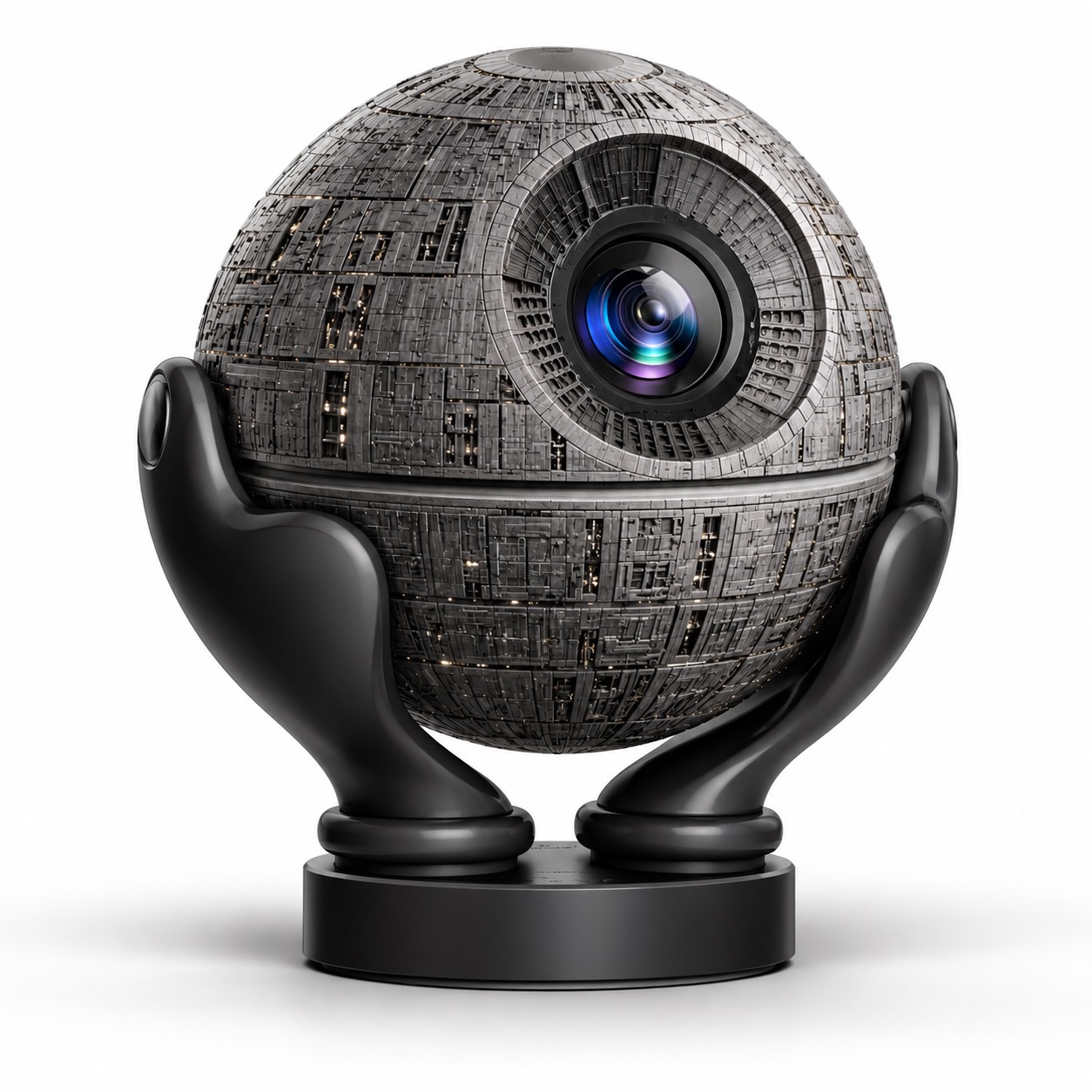
The Idea
A tool for exploring space with sky maps, real data and a shared projector.
The Problem
Space pictures look great. A viewer may not know what they show or where they came from.
Who Could Use It / Who Might Pay
Families, learners and museum visitors. Possible buyer: Museums, schools or adults who enjoy sky watching.
Market To Test
Sky maps and tools for science museums.
Other Choices
Stellarium is a free sky map for a computer. A paper star chart needs no projector. [S01]
Our Idea And The Trade-Off
Let a group explore space together. Show which parts come from real data and which are drawn. The existing sky map works now. Our exhibit needs extra hardware and a visit worth that effort.
What Happened In 2026
A Mars landing replay ran on a projector, using 453 points on its flight path. Sky-image checks exist. The round case and a full visitor test still need work.
What Comes Next
Try one guided trip. Ask visitors to explain which parts used real data and which were modeled.
Reference: Stellarium (S01), checked 6 November 2026. Sources and limits.
Evidence and fuller year-end record
E03 · docs/observation-validation.md; retained M16 comparison and October projector history. Evidence notes, p. 133.
October session records describe a Phoenix Mars descent replay running on the projector, using 453 SPICE trajectory samples at one-second cadence. The repository also records Hubble-starfield display work, measured terrain layers and telescope-image validation artifacts. Observed, inferred and procedural content have separate provenance states. These establish specific software and projector demonstrations; complete terrain coverage, visitor evaluation and the spherical enclosure remain separate development tasks.